

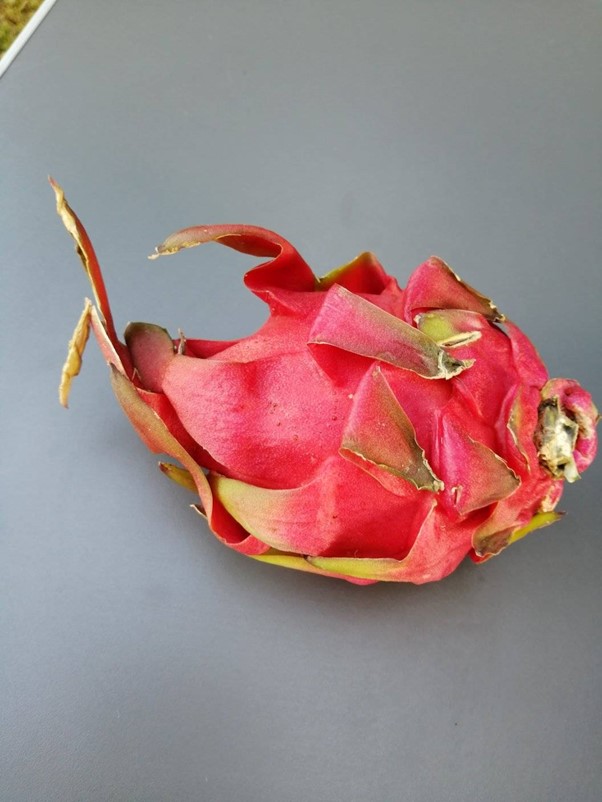
Purple delight is dragon fruit
Dragon fruit sounds somewhat magical and is grown from a cactus plant. The dragon fruit is the final release coming out of a dragon’s mouth, that is if we decide to listen to some fables and if we believe in dragons. Another name for this fruit is the Spanish one, ‘pitahaya’. As the plant is a cactus, it thrives in dry weather. The outer fruit looks somewhat like a reddish, pinkish-purple, or yellow leafy vegetable. Within these layers is a soft flesh with many tiny edible black seeds. It is simple to grow dragon fruit by taking out a scoop and planting them.
Dragon fruit comes from central and southern America. However, now it is grown in various tropical climates, such as certain parts of Asia for export.
Let’s get back to the dragon fruit. Due to the outer scaly appearance, one may assume it looks like a dragon if you can stretch your imagination. It takes little imagination though to link some health benefits to this fruit.
To begin with it is high in fibre, and has pro-heart and anti-disease protective antioxidants and nutrients. In addition, it has a valuable source of probiotics and some fatty acids. However, do not despair, with the word ‘fatty’ as we need some fats and without them, we would become severely impaired and ill. Dragon fruit has been measured to score low in the calorie department and if you are worrying about its sugar content there is some more good news. This fruit has been said to support blood sugar levels, meaning it helps stabilise blood sugar levels unlike some other fruits that can significantly increase blood sugar levels.
The inner flesh may be whitish or purple. Although it is not particular sweet tasting, it has a gentle sweet tone and texture.
The flower of this cactus, is known as ‘moonflower’ or ‘lady of the night’. This is because she blooms open once at night. Perhaps the dragon fruit may belong to a somewhat magical plant, and perhaps you may feel more magical after consuming this delightful treat.
By
Anastacia Sampson
